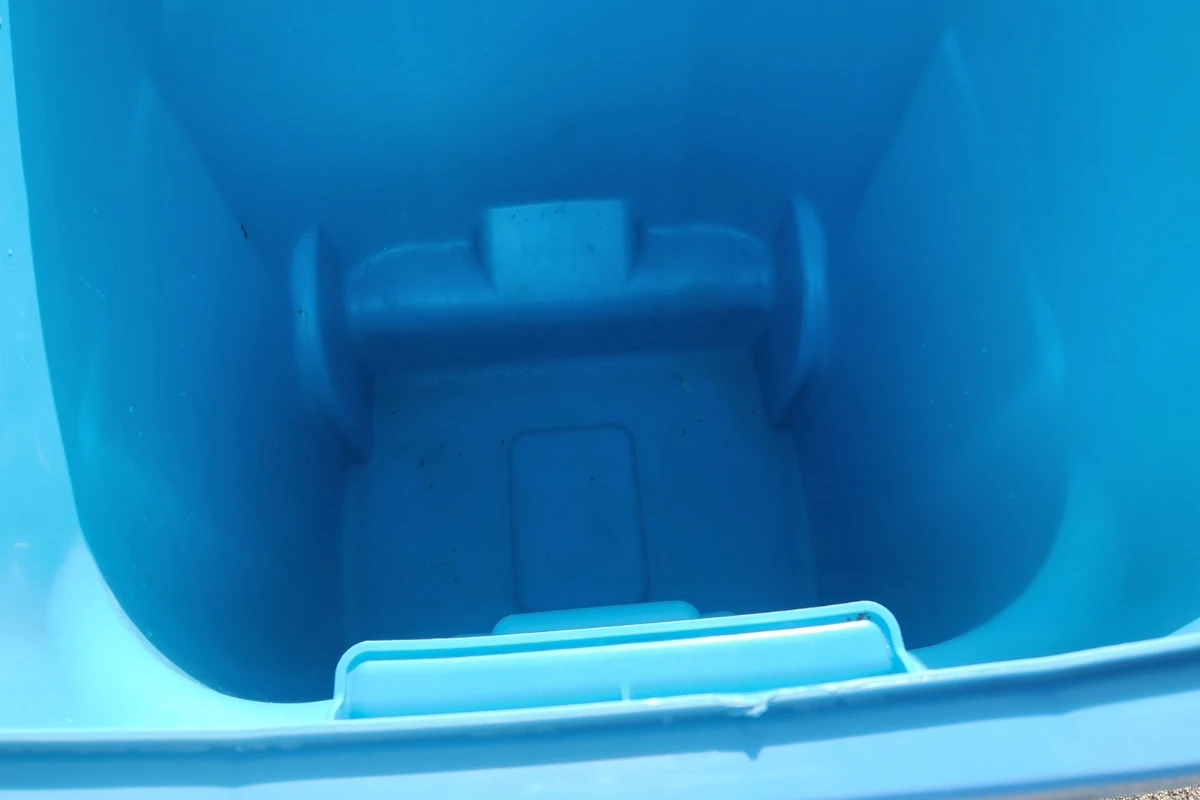
Flies Around Outdoor Trash Cans: What Keeps Bringing Them Back
You take out the trash, close the lid, and walk away. A few hours later, flies are gathering around the garbage can again. Even after trash pickup, they seem to return to the same spot.
The reason is often what remains inside the bin, not just the garbage you recently threw away. Food residue, leaking bags, moisture, and lingering odors can continue attracting flies long after the trash is collected.
For homeowners in Midway Park, NC, warm and humid weather can make the problem more noticeable. Understanding what attracts flies and how proper garbage bin cleaning helps address the buildup can make outdoor trash cans easier to maintain.
Why Flies Keep Coming Back to Outdoor Trash Cans
Flies are attracted to food waste, decomposing organic material, and the odors these materials produce. Outdoor garbage cans can provide access to all three, especially when waste sits inside for several days.
Removing the trash helps, but it does not necessarily remove everything that attracted the flies.
Food Residue Stays Behind After Trash Pickup
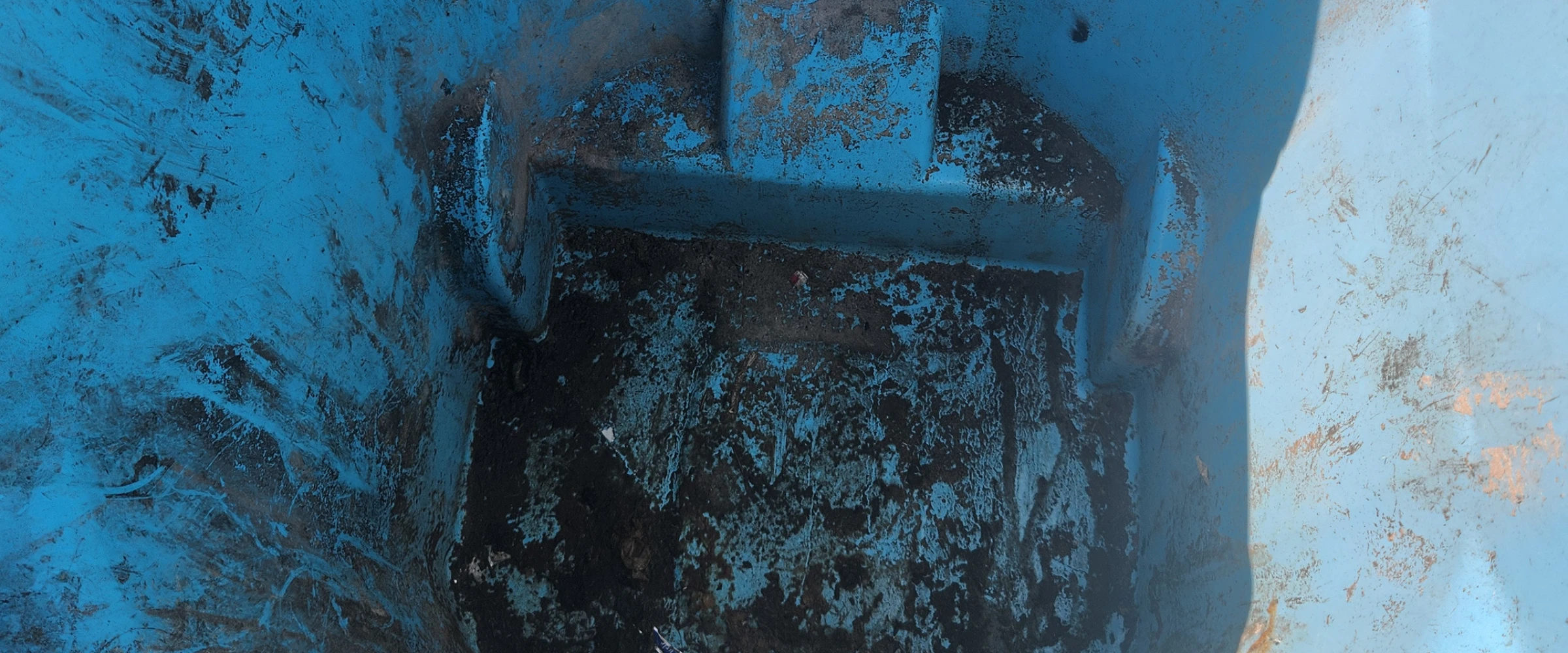
Small amounts of food can escape trash bags and collect along the bottom or sides of a garbage can.
Common sources include meat packaging, leftover food, fruit scraps, and food-soiled containers. Even when the bin looks empty, a thin layer of residue may remain on the plastic.
As this material breaks down, it can continue producing odors that attract flies.
This explains why flies sometimes gather around an empty garbage can. The original bags are gone, but traces of food waste remain.
Leaking Trash Bags Create Hidden Buildup
A trash bag does not need a large tear to create a mess.
Liquid from food waste, discarded drinks, or wet packaging can leak through small openings and settle at the bottom of the bin. Once the liquid dries or mixes with other debris, it may leave behind sticky residue.
Over time, that buildup becomes more difficult to remove with a quick rinse.
Professional garbage bin cleaning can help remove the stuck-on grime and organic material that ordinary trash collection leaves behind.
Moisture Makes Garbage Cans More Attractive
Outdoor trash cans regularly encounter moisture from wet garbage, condensation, and rainwater.
When moisture combines with food residue, it creates conditions in which organic material can break down and odors can develop.
Check the bottom of your bin after collection. If liquid is collecting there, investigate whether bags are leaking, rainwater is entering, or wet waste is being placed directly inside.
Keeping the bin clean and allowing it to dry can help reduce the buildup that attracts flies.
The Lid May Not Be Closing Properly
A garbage can with a damaged or poorly fitting lid gives flies easier access to the contents.
Overfilled bags, bulky packaging, and debris caught around the rim may prevent the lid from closing completely.
Flies can also gather around food residue left on the lid, handles, or upper edges of the container.
A properly closing lid does not guarantee that flies will stay away, but it can limit their access to the garbage inside.
Why Flies Return Even After You Wash the Trash Can
One of the most frustrating situations is cleaning a garbage can only to see flies return within a few days.
Several factors can explain this.
First, rinsing with a garden hose may remove loose debris without fully removing grease, sticky liquids, or dried food residue. These materials can cling to the corners, seams, and interior walls.
Second, new garbage may introduce fresh food waste and odors almost immediately.
Finally, flies may be attracted to other nearby sources, including exposed pet waste, fallen fruit, or uncovered organic waste.
A cleaner garbage can is generally less appealing to flies, but cleaning alone cannot eliminate every possible attraction around your property.
How to Make Outdoor Garbage Cans Less Attractive to Flies
Reducing fly activity usually requires a combination of better waste handling and regular cleaning.
Seal Food Waste Before Throwing It Away
Avoid placing loose food scraps directly into an outdoor garbage can.
Use properly fitted garbage bags, tie them securely, and consider wrapping particularly messy food waste before placing it in the main trash bag.
Be careful with packaging containing meat juices, sauces, or other liquids. Even a small leak can leave residue inside the bin.
Keep the Lid Closed Between Uses
Make sure the lid closes fully after each use.
If garbage bags extend above the rim, rearrange the contents rather than forcing the lid down. Check for warped lids, broken hinges, or other damage that prevents a proper seal.
Also wipe away spills around the rim and handles, where flies may gather even when the container is closed.
Avoid Leaving Loose Waste at the Bottom
Loose garbage can be difficult to remove completely during trash collection.
Whenever possible, keep household waste securely bagged. If something spills or a bag breaks, remove the remaining material rather than allowing it to sit until the next pickup.
A small amount of food waste left behind can continue attracting flies after the larger garbage bags are gone.
Clean Spills Before They Become Stubborn Residue
Fresh spills are usually easier to remove than old, dried buildup.
After garbage collection, inspect the inside of the bin for food particles, sticky patches, and pooled liquid.
If cleaning the can yourself, use an appropriate household cleaning product, a brush, and protective gloves. Follow the product label and the bin manufacturer's care instructions.
Rinse where appropriate and allow the container to dry before adding new waste.
Never mix household cleaning chemicals.
Choose a Suitable Location for the Bin
Trash cans often need to remain outside throughout the week, but placement can affect their condition.
When practical, keep bins in a shaded, accessible location away from outdoor dining or seating areas.
Direct sunlight can increase the temperature inside a closed garbage can, particularly during warm weather. Higher temperatures can accelerate the breakdown of food waste and make odors more noticeable.
Shade will not eliminate flies, but it may help limit heat-related odor problems.
Why Warm Weather Makes Fly Problems Worse in Midway Park, NC
Residents of Midway Park experience warm, humid conditions during much of the year, especially in summer.
Heat can accelerate the decomposition of food waste, while moisture and humidity can contribute to unpleasant conditions inside garbage cans.
After a bag leaks, the remaining liquid may produce noticeable odors before the next scheduled collection.
Rain can also complicate matters when lids are damaged or left open, allowing water to collect inside the container.
During warmer months, consider checking your garbage cans more frequently for leaks, residue, and moisture.
You may also find that bins need cleaning more often during periods when your household produces larger amounts of food waste.
The appropriate cleaning frequency depends on how the bins are used, how quickly residue accumulates, and how often odors return.
What It Means When Maggots Appear in Your Garbage Can
Seeing maggots inside an outdoor trash can often indicates that flies have found suitable material for laying eggs.
Maggots are fly larvae. Certain flies lay eggs on decomposing food waste and other organic matter, giving the developing larvae access to food.
A garbage can containing food residue, moisture, and accessible waste can provide favorable conditions.
If you discover maggots, focus on removing the conditions that allowed them to develop.
Empty the container, remove remaining organic material, and thoroughly clean the affected surfaces. Pay particular attention to the bottom, corners, and areas where residue collects.
Allow the bin to dry before using it again.
If flies or maggots repeatedly appear despite cleaning, inspect nearby areas for other sources of decaying material. Persistent infestations may require assistance from a qualified pest control professional.
How Professional Garbage Bin Cleaning Helps Address Recurring Fly Problems
Sometimes, improving garbage disposal habits is not enough to deal with residue that has accumulated over several weeks or months.
A garden hose can remove loose material and visible dirt. However, sticky food deposits and grime may require more thorough cleaning.
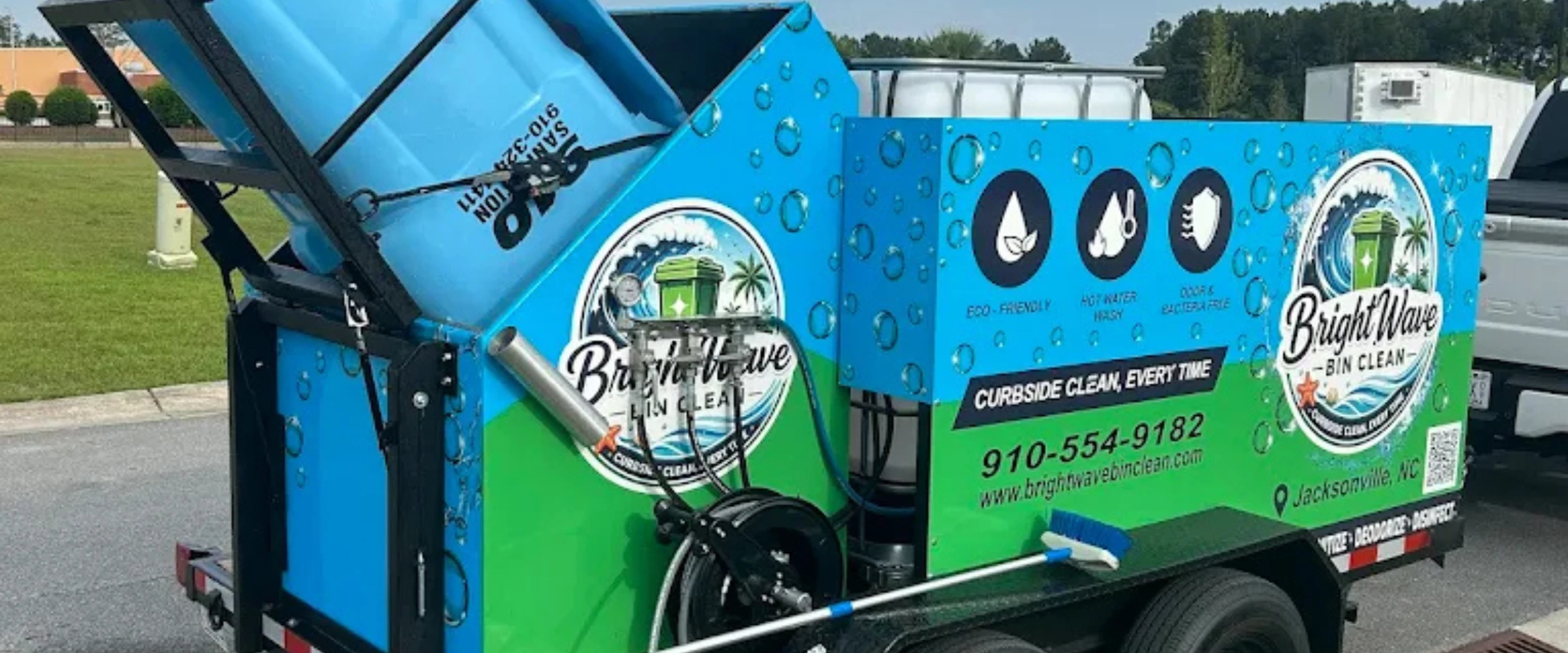
At Brightwave Bin Clean, we provide professional curbside trash can cleaning designed to address the buildup that contributes to unpleasant odors and attracts flies.
Our cleaning process uses specialized equipment and high-pressure hot water to clean the inside of garbage cans, including areas where residue tends to accumulate.
We also sanitize and deodorize the containers, and our equipment contains and removes dirty wastewater.
The service fits into your normal trash collection routine. After your garbage is collected, you leave your empty bins at the curb on your scheduled cleaning day.
Removing accumulated food residue and grime can make your garbage cans less attractive to flies.
However, professional cleaning is not a substitute for proper waste disposal or pest control. New food waste can introduce fresh odors and attract insects again.
Choosing a Cleaning Schedule That Fits Your Household
How frequently you clean your outdoor garbage cans depends on how they are used.
A household that produces substantial amounts of food waste or experiences frequent bag leaks may benefit from more regular cleaning. Another household may only need occasional attention.
We offer cleaning every four weeks, every twelve weeks, and one-time cleaning for bins that need a thorough reset.
We also offer an optional insect and maggot deterrent add-on intended to help repel unwanted insects. Like other deterrent measures, it should not be considered a guarantee against future fly activity.
For homeowners dealing with recurring odors or persistent grime, our garbage bin cleaning service in Midway Park, NC, provides a practical way to maintain cleaner outdoor containers.
Useful Products and Resources for Reducing Flies Around Trash Cans
A few household products and reliable sanitation resources can help you manage garbage more effectively between cleanings.
Glad ForceFlex Kitchen Trash Bags
Glad ForceFlex kitchen trash bags are designed to resist tears and leaks during ordinary household waste disposal.
Using appropriately sized bags and securing them before disposal can help reduce spills that leave food residue inside an outdoor garbage can.
Hefty Ultra Strong Large Trash Bags
Hefty Ultra Strong large trash bags are available in larger sizes for household cleanup needs.
Stronger bags can be useful when handling heavier garbage, although sharp objects and excess weight can still cause punctures or leaks.
Rubbermaid Commercial BRUTE Self-Draining Lids
Rubbermaid Commercial BRUTE self-draining lids feature channels designed to prevent water from pooling on top of compatible containers.
A well-fitting lid helps limit insect access and keeps rainwater from entering the container. Check compatibility before purchasing replacement lids or accessories, particularly if you use a garbage cart supplied by your waste collection provider.
U.S. Environmental Protection Agency Waste Management Guidance
The U.S. Environmental Protection Agency's waste-handling guidance explains how proper garbage storage, closed lids, moisture control, and regular container washing can help reduce conditions that attract pests.
Although the guidance focuses on waste management at schools, several of its practical sanitation principles also apply to household garbage containers.
These resources are general consumer options and educational references. Always follow product instructions and confirm that accessories or cleaning materials are suitable for your particular trash can.
Frequently Asked Questions About Flies Around Outdoor Trash Cans
Why Are Flies Around My Trash Can When It Is Empty?
An empty trash can may still contain food residue, grease, or liquid waste along the bottom and walls. These materials can produce odors that attract flies even after garbage collection.
Cleaning the interior thoroughly can help address the remaining buildup.
Can Flies Get Into a Garbage Can With the Lid Closed?
Yes. A lid that appears closed may still have gaps caused by damage, warping, or debris caught around the rim.
Flies may also enter while the lid is open during normal use. Keeping the lid properly fitted and closed reduces access but does not guarantee complete prevention.
How Quickly Can Maggots Appear in a Trash Can?
Under favorable conditions, eggs laid by certain fly species can hatch within about a day.
The exact timing depends on the species, temperature, and surrounding conditions.
This is one reason fly and maggot problems may develop quickly when food waste remains inside an outdoor garbage can during hot weather.
Will Spraying My Garbage Can With a Hose Keep Flies Away?
A hose can remove loose debris and some surface residue, but water alone may not remove sticky food deposits or grease.
For better results, inspect the container and clean any remaining buildup with an appropriate cleaner and brush.
Do Scented Trash Bags Keep Flies Away?
Scented garbage bags may help mask certain unpleasant odors, but they do not reliably prevent flies from approaching or entering a trash can.
Properly securing food waste, preventing leaks, and keeping containers clean are more dependable maintenance habits.
Should I Use Bleach to Clean a Garbage Can?
Bleach-based products may be suitable for certain cleaning applications when used according to their labels, but they are not necessary for every garbage can cleaning task.
Check the container manufacturer's instructions and never mix bleach with ammonia, acids, or other cleaning products.
Regular removal of food residue and grime remains an essential part of bin maintenance.
How Often Should Outdoor Garbage Cans Be Cleaned During Summer?
There is no single cleaning schedule that works for every household.
If you frequently dispose of food waste, experience leaking bags, or notice odors developing between collections, your bins may need more frequent attention.
Inspecting them after trash pickup can help you determine when cleaning is necessary.
Can Professional Bin Cleaning Stop Flies Permanently?
No cleaning service can guarantee that flies will never return.
Professional cleaning helps remove existing residue, grime, and odors, but newly discarded food waste can attract flies again.
Maintaining cleaner bins and handling garbage properly can help reduce recurring problems.
Keep Your Outdoor Trash Cans Cleaner in Midway Park, NC
Flies keep returning to outdoor trash cans when they continue finding food residue, moisture, organic buildup, or access to fresh garbage.
Taking out the trash is only part of the solution. Securing garbage bags, preventing leaks, keeping lids closed, and cleaning away accumulated residue can all help make your outdoor containers less attractive to flies.
If your garbage cans in Midway Park, NC, continue attracting flies despite regular household maintenance, Brightwave Bin Clean can help remove the stubborn buildup that ordinary rinsing may leave behind.
Call 910-554-9182 to discuss your trash can cleaning needs, or contact us to learn more about our curbside cleaning options.
Cleaner bins start with removing what keeps attracting flies in the first place.


